
filler
filler
IMIB community engagement
filler
filler
Filler
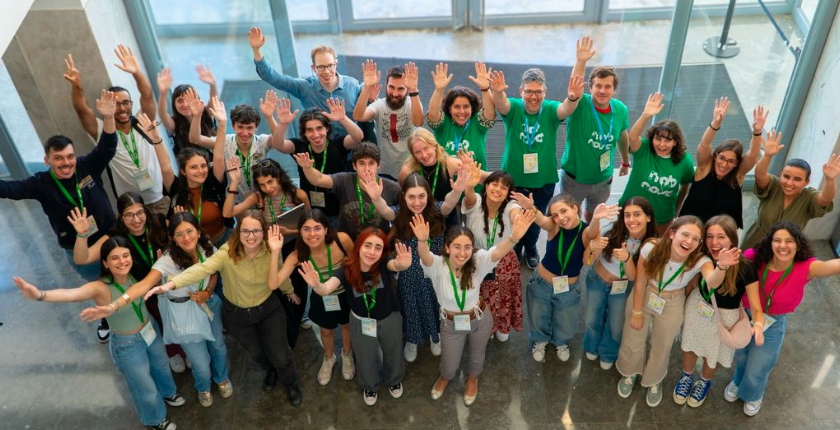
At the Intracellular Microbial Infection Biology (IMIB) Lab, we are not just passionate about our research – we are also dedicated to sharing our knowledge, inspiring the next generation of scientists, and making a positive impact in our community. Our team is committed to nurturing the scientific minds of tomorrow. IMIB lab members actively contribute to the education and professional development of aspiring researchers! We believe in making science accessible and engaging for all. IMIB lab members enthusiastically participate in various public engagement and citizen science initiatives. IMIB is actively involved in shaping the scientific landscape and serving our community. IMIB lab members contribute their expertise and leadership to drive scientific progress and institutional vision. We aim to be complete scientists: researchers, educators, communicators, and engaged with the community. We strive to inspire curiosity, foster scientific literacy, and contribute to a brighter future for all.
Filler
Teaching
Filler
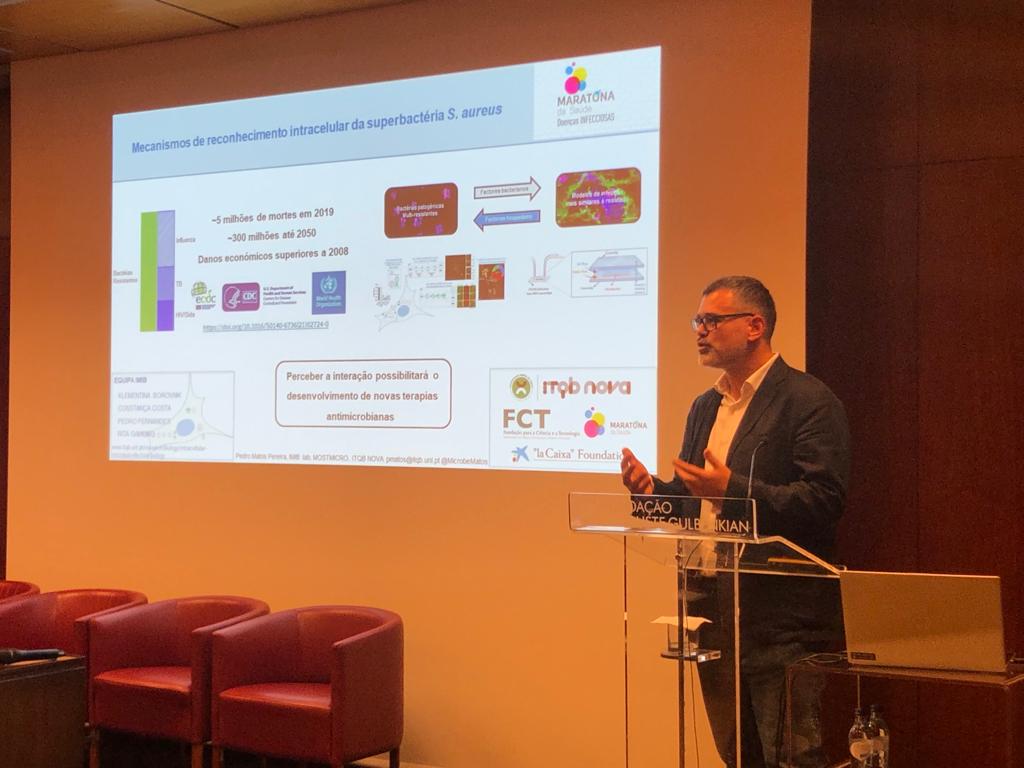
We are involved in several national and international teaching activities, from curricular units to workshops, some examples:
filler
National
Coordinating the BIC course ”Fundamentals of light microscopy and image processing” and the MolBios curricular unit ”Host responses to microbial infection”
Teaching in Masters Biochemistry for Health, Masters Biotechnology for Sustainability, Masters Medical Microbiology.
filler
International
Teaching in EMBL Advanced Fluorescence Imaging Techniques, BIMR/CALM Summer School.

filler
Outreach and Citizen Science
filler
We are involved in several initiatives to engage with the public and help create bridges, some examples:
filler
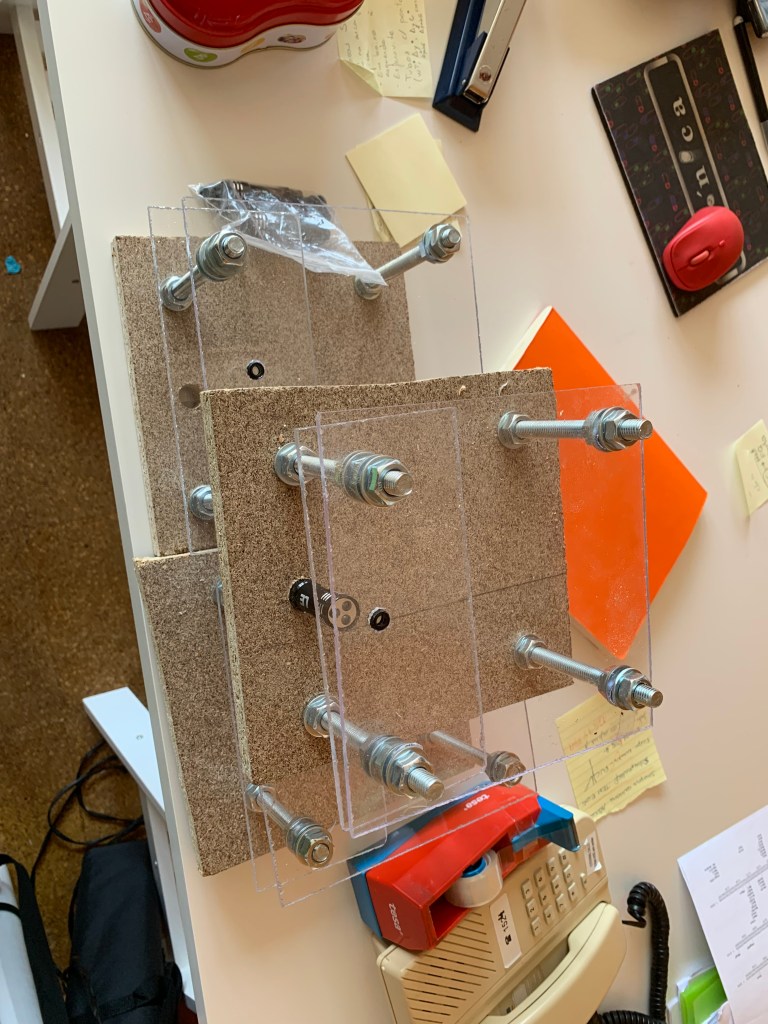
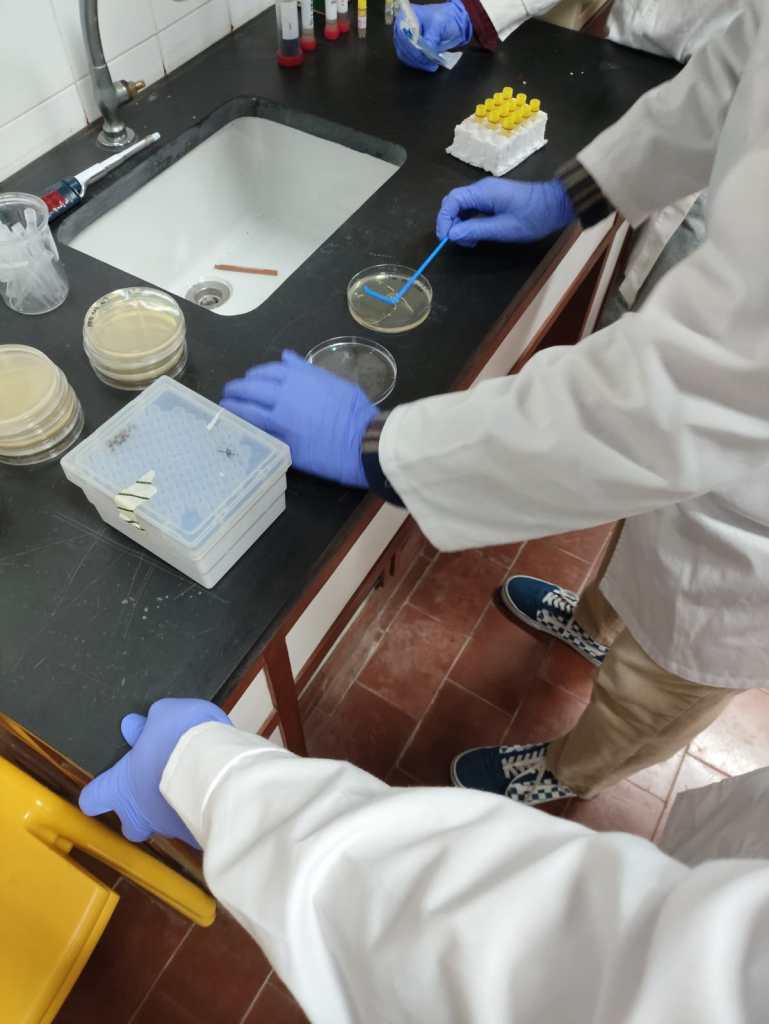
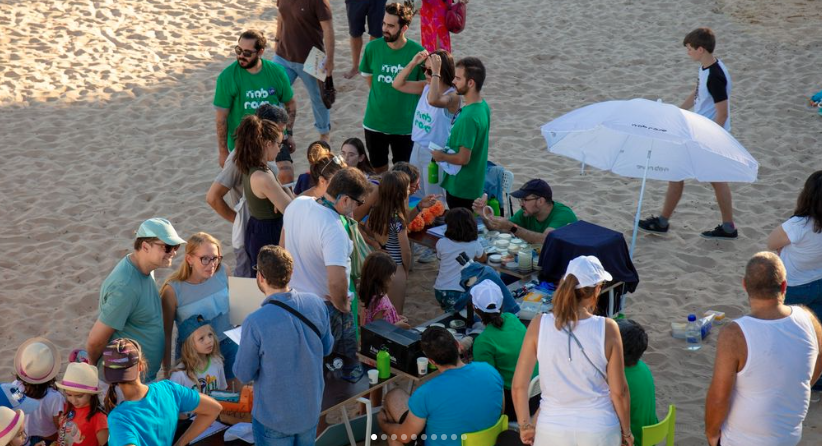
Citizen Science: MicroMundo Oeiras
Citizen Science project aimed at pre-college students in Oeiras derived from the Tiny Earth project with the objective of discovering new antibiotics and map resistance profiles in nature.

filler
Engagement with society: How to dialogue with who does not want to listen: beyond polarization and disinformation
Cycle of conferences and a book that aims to promote a reflection about topics such as the confidence in science, political polarization and miss-information (conferences on youtube). This initiative was developed in the context of “Seminário de Jovens Ciêntistas” from the Lisbon Academy os Sciences.
filler
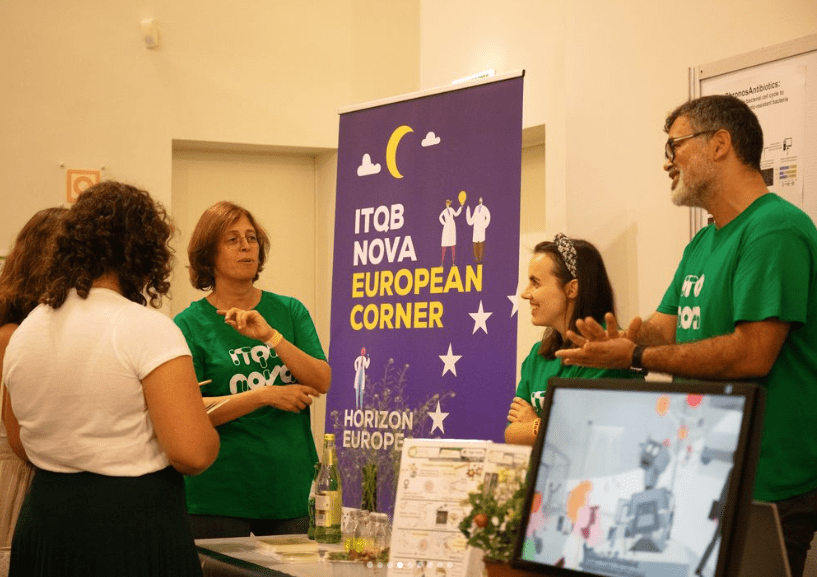
Science Outreach: ITQB NOVA public engagement programme
School visits where students of different ages are given background information on ITQB NOVA research and simple demonstrations are performed to increase science literacy. ITQB NOVA Open day where the public is invited into ITQB NOVA to understand what research is developed at ITQB NOVA and can participate in simple demonstrations to increase science interest and literacy. Microorganism day, MicroDia and European Researchers Night, events where the public is invited to explore simple experiments related to different research topics. Summer Science, one week where we introduce the research done at ITQB NOVA to diploma students (2nd and 3rd year) in order to inspire them for a career in research beginning with their masters.
Filler
Service
Filler
We are involved in several initiatives that we hope will contribute to a better scientific environment, some examples are:
Filler
Decision centers@ITQB NOVA. We are involved in different committes and groups at ITQB NOVA where we hope to help create a stronger institution, such as the Postdoctoral Association (PDA) or the Mostmicro directive board.
Filler
Mentorship@ITQB NOVA. We are involved in the creation and organization of the ITQB NOVA and NOVA Medical School Mentorship program.
Filler
Onboarding@ITQB NOVA. We are involved in the coordination of the onboarding of new staff at ITQB NOVA.
Filler
Advanced Microscopy@ITQB NOVA. We are involved in the coordination of the Bioimaging Facility at ITQB NOVA, the Bacterial Imaging Cluster (BIC).
Filler
Grant evaluation. We are, or have been, involved with several funding bodies to contribute to the evaluation of projects at different levels, from fellowships for junior researchers (for example the La Caixa Postgraduate Fellowships) to advanced grants for senior researchers (for example the European Research Council).
Filler
Peer Review. We are committed to contribute to the quality of research and actively review for different journals, such as ACS Nano, Communications Physics, FEBS Open Bio, Frontiers in Microbiology, Journal of Microscopy, Nature Communication, Nature Methods, PloS One, Traffic, etc.
Filler
Filler
Check out our latest instagram posts!


 IMIBlab